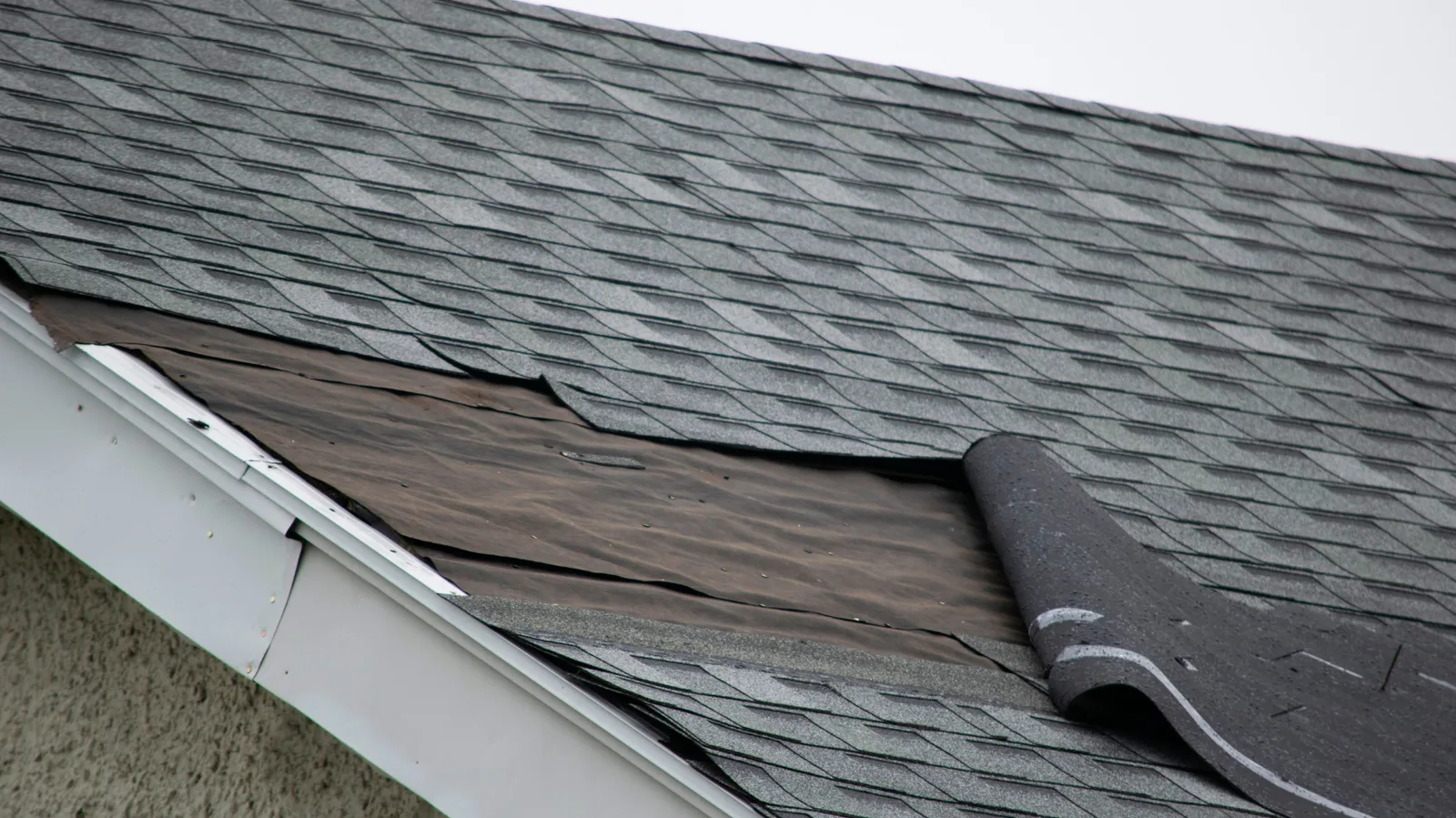
Roof Leak Repair in Haltom City, TX
A ceiling stain tells you where water arrived. We work back toward the roof opening, then explain the repair needed to close that path.
Find the opening behind a Haltom City roof leak
Water does not always fall straight through a roof. It can run down the underside of a deck, follow a framing member or enter at a wall before showing up several feet away. Repairing directly above a stain without tracing that route can leave the original opening in place.
Intermittent leaks are particularly frustrating. One rain wets the room and the next does not. Wind direction, the amount of runoff and how long water remains against a detail can change the result. Tell us when the leak appears and which room is affected; that helps focus the inspection without making you diagnose the roof.
We compare the interior location, where accessible, with roof slopes, valleys and nearby penetrations. The aim is to identify the failed connection and the extent of wet or deteriorated material around it. Closing the entry is the roofing task; drying insulation or repairing interior finishes may be separate work after the source is controlled.
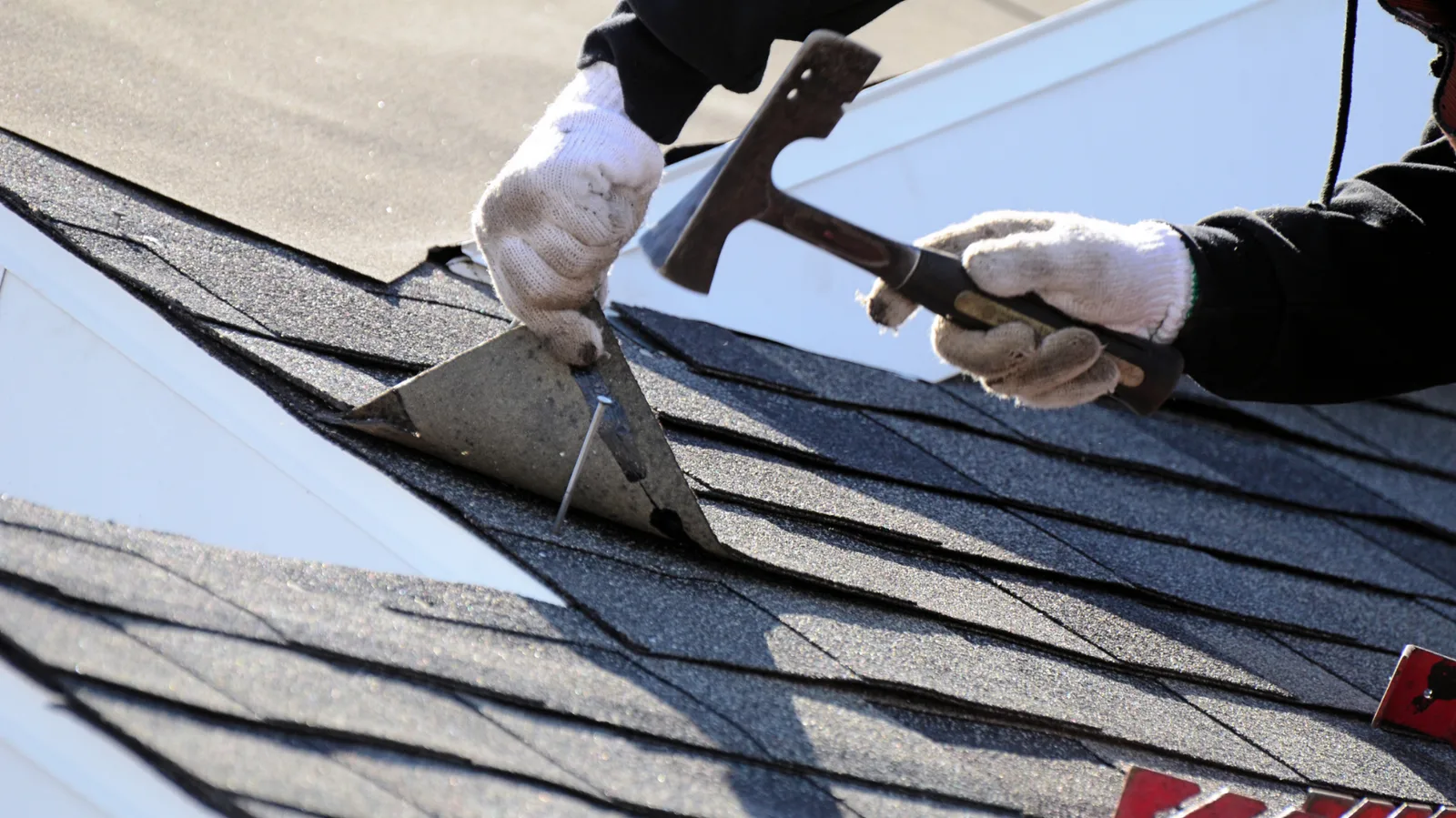
Leak paths around the roof
Tracing and closing the leak path
Relate the leak to the roof
The room location and timing are compared with roof details. Visible staining shows a path, not necessarily the source. If plumbing or condensation better explains the moisture, that distinction prevents the wrong roofing repair.
Expose only what the repair needs
A concealed joint or deteriorated base can require opening material to establish the boundary. We discuss that work before expanding it. The repair should reach roofing that can be integrated without cracking, tearing or leaving buried gaps.
Restore the layers and connection
Damaged pieces are replaced and the water-shedding detail rebuilt. The underlayment, flashing and covering must discharge water over the next layer. The work is then checked at those connections; a rain-free moment alone does not explain whether the route was addressed.
Protect the room while the roof is assessed
Call when water is entering. Protect belongings only from an area you can reach safely, and keep people away from visibly sagging or damaged ceiling sections.
Keep clear of wet electrical areas
Do not touch wet fixtures, outlets or equipment. Leave a hazardous area and get appropriate emergency help for an immediate electrical or structural danger.
Leave roof access to the roofer
A wet roof and an improvised ladder repair add risk without establishing the leak source. Weather and the condition of the roof determine when outside access is safe.
Separate temporary protection from repair
A temporary cover may reduce further entry while permanent work is arranged. It still needs a safe installation and a defined next step; it does not replace damaged decking or rebuild a buried flashing joint.
Haltom City roof leak FAQs
Could the stain be plumbing or condensation?
Yes. Moisture near a bathroom, pipe, duct or cooling equipment can have another source. Timing and the accessible water path help distinguish those possibilities. Roof repair should follow evidence of a roofing entry rather than the presence of a stain alone.
Why did the last patch work for a while?
A patch may have reduced one opening while another remained, or it may have lost adhesion as the surrounding material moved. The next repair needs to examine what the patch covers, the material it bonds to and the adjoining laps. Simply adding another layer can make that investigation harder.
Do you repair the ceiling too?
The roofing scope addresses the source at the roof. Wet insulation, drying and interior finish repairs need their own assessment and agreed responsibility. The leak should be controlled before new ceiling finishes conceal the affected area.