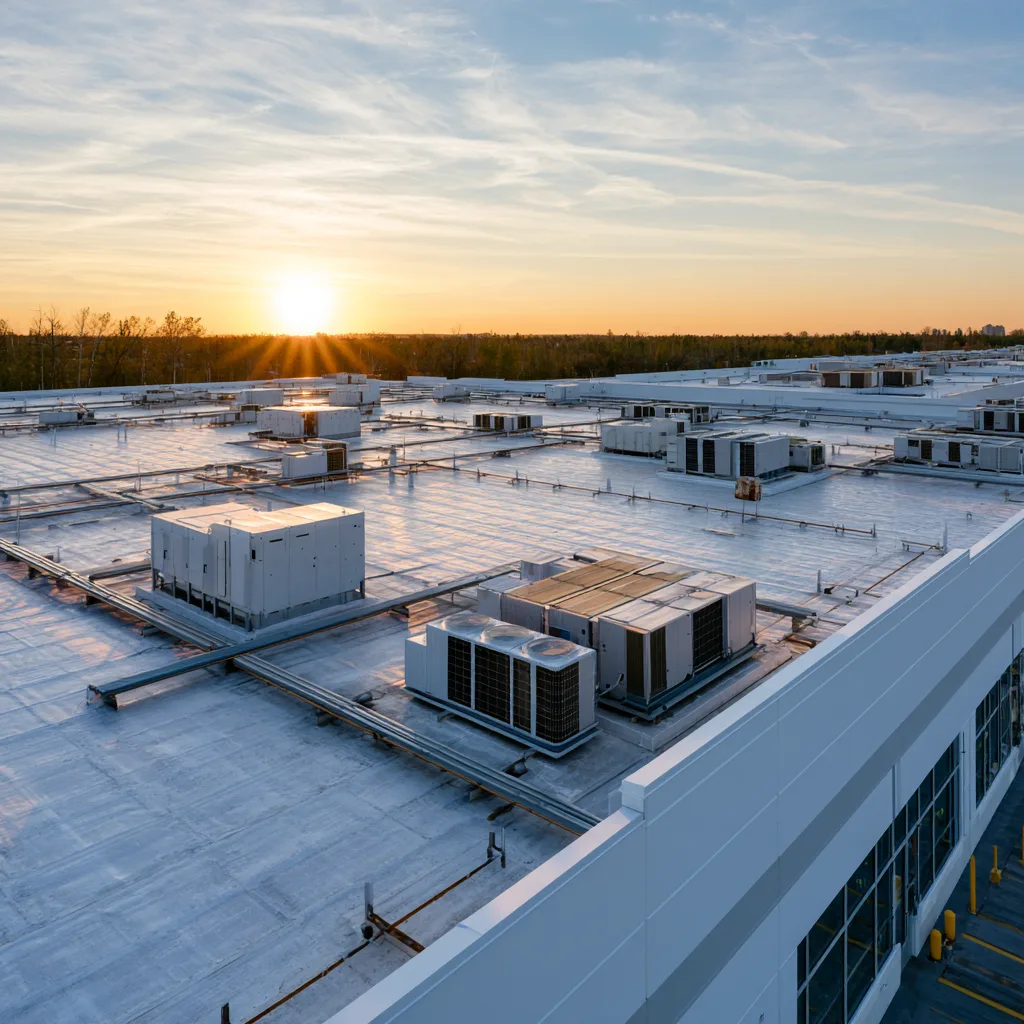
Commercial Roofing in Haltom City, TX
Roof leak repair, TPO work, coatings and replacement planning for occupied buildings. Get a free inspection and a roof scope that accounts for the activity below.
Commercial roof work starts with the building underneath
A leak over stock, equipment or a tenant’s workspace is a building problem as well as a roofing problem. The first discussion needs to cover where the water is reaching, what happens below that area and how the roof can be accessed.
We assess the roof covering, drainage points and interruptions around rooftop equipment. On a membrane roof, that includes seams, curbs, penetrations and the terminations at the roof edge. The surface condition is only part of the decision: moisture below it can change a straightforward patch into work on the insulation and deck.
For a Haltom City property owner or manager, the useful outcome is a defined direction: a compatible repair, a qualified restoration, or a plan to replace the system. The building’s entrances, service traffic and occupied hours belong in that plan.
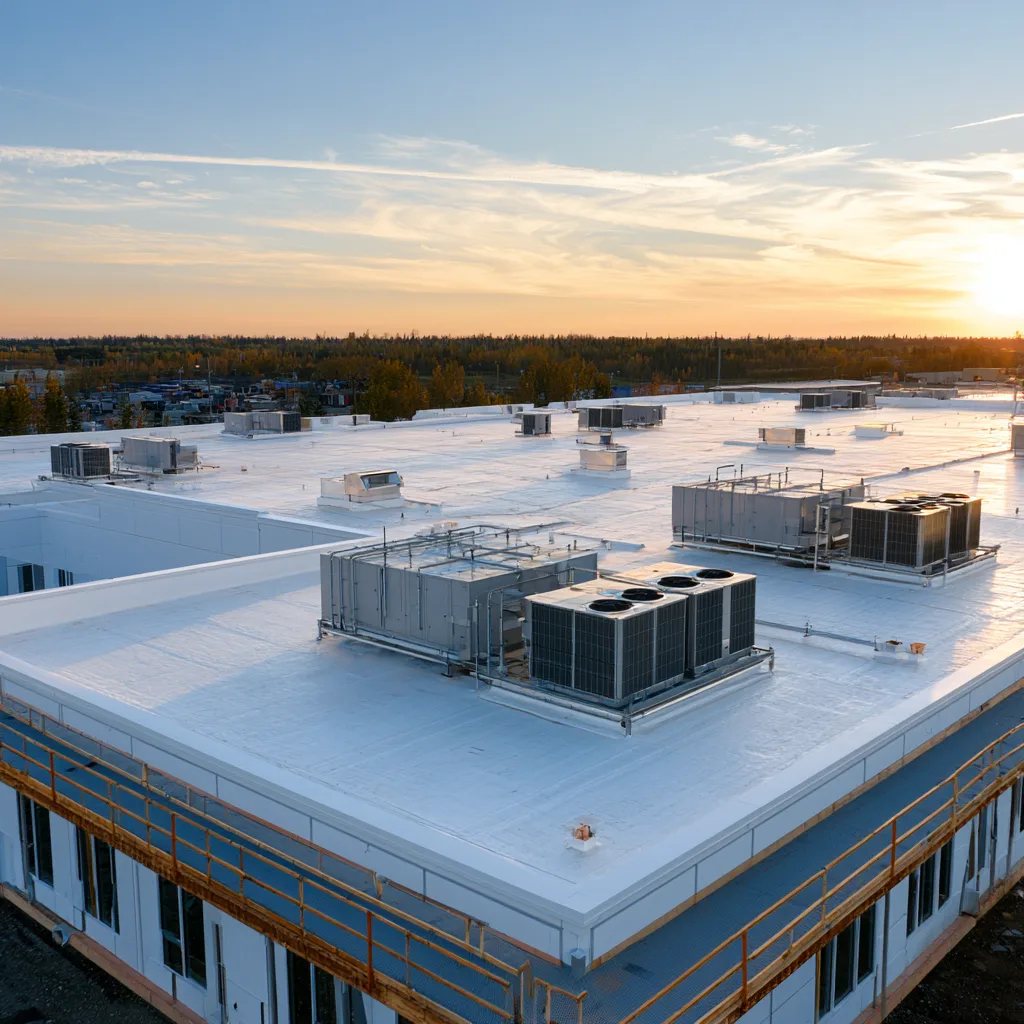
Commercial roofing options in Haltom City
The existing roof system and the layers beneath it determine which approach fits.

TPO roofing
Welded membrane seams and properly formed equipment details keep the surface continuous.
Flat-roof repair
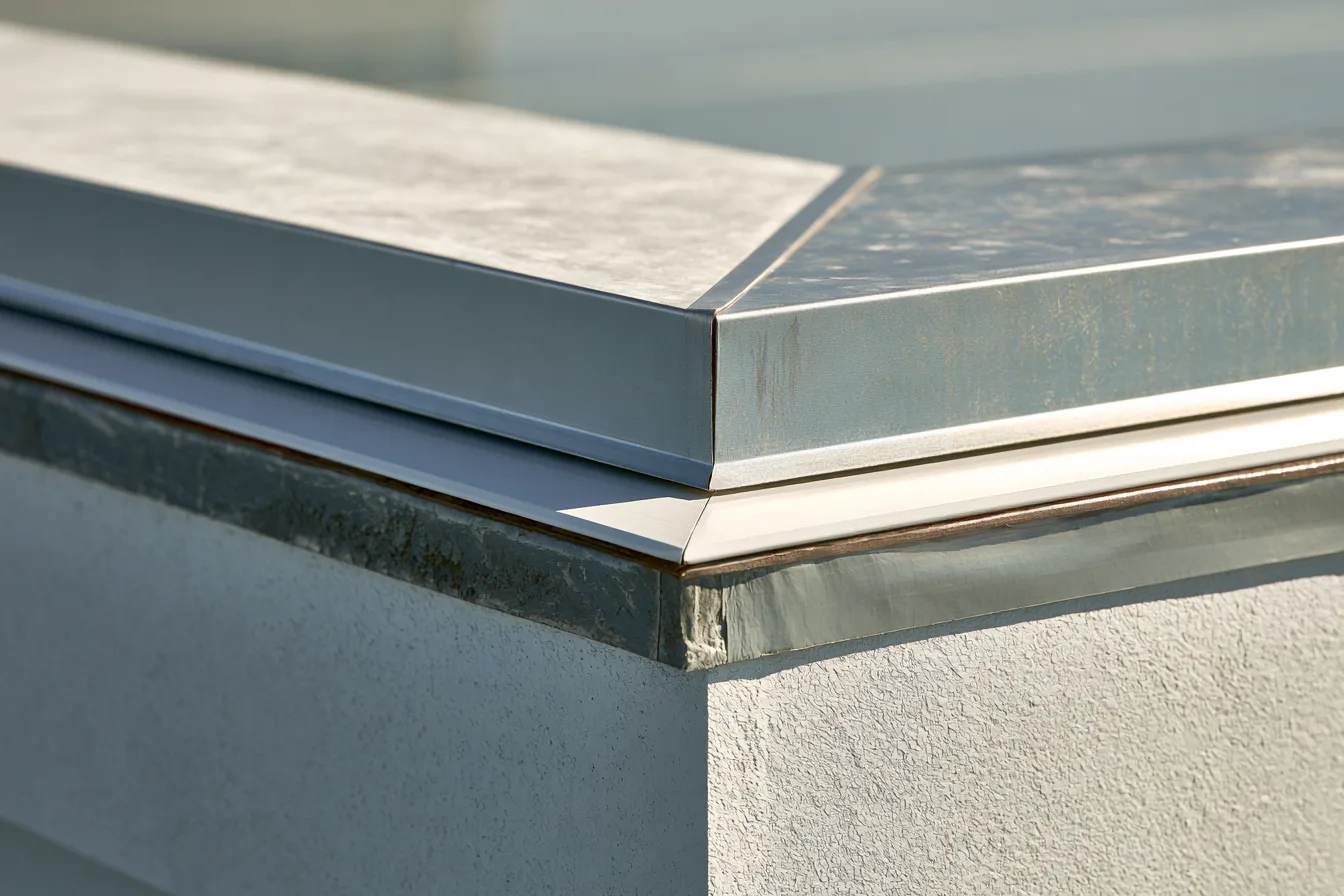
Trace leaks through seams, curbs and outlets, then repair the affected layers.
Roof coatings
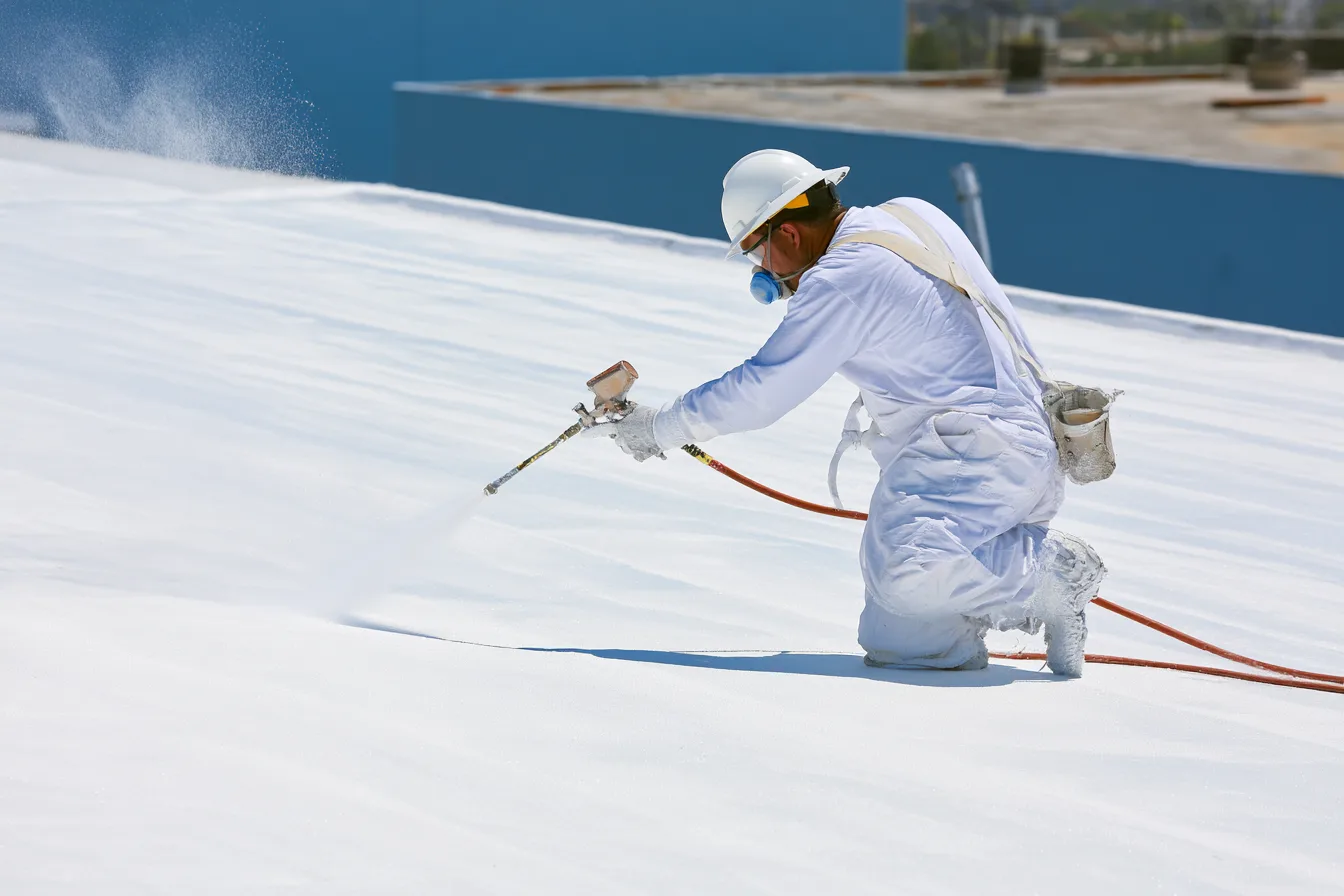
Restore a qualified roof after moisture, adhesion and failed details have been addressed.
Commercial roof replacement
Plan removal, deck condition, insulation and a new covering together when the existing roof can no longer support a sound repair.
Repair, restore or replace a commercial roof
A white surface does not identify the membrane or prove the roof is dry below. The system needs to be identified before materials and methods are chosen.
Standing water also needs an explanation. A blocked drain and a low area in the roof surface call for different work.
TPO roof seams, curbs and penetrations
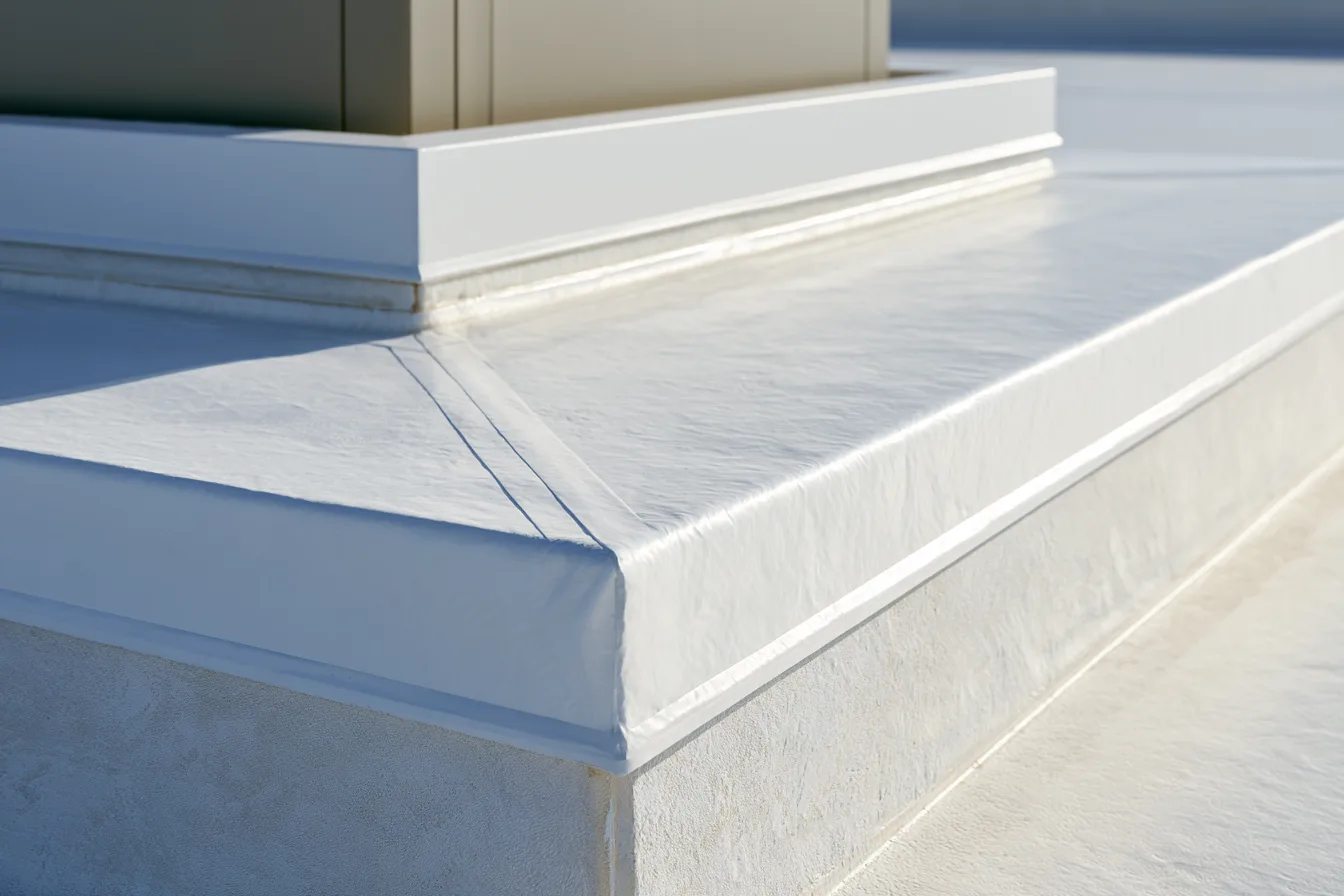
TPO is a single-ply membrane with seams joined using heat. A repair needs to match the material and make a sound welded connection; roof cement intended for a different covering does not serve the same purpose.
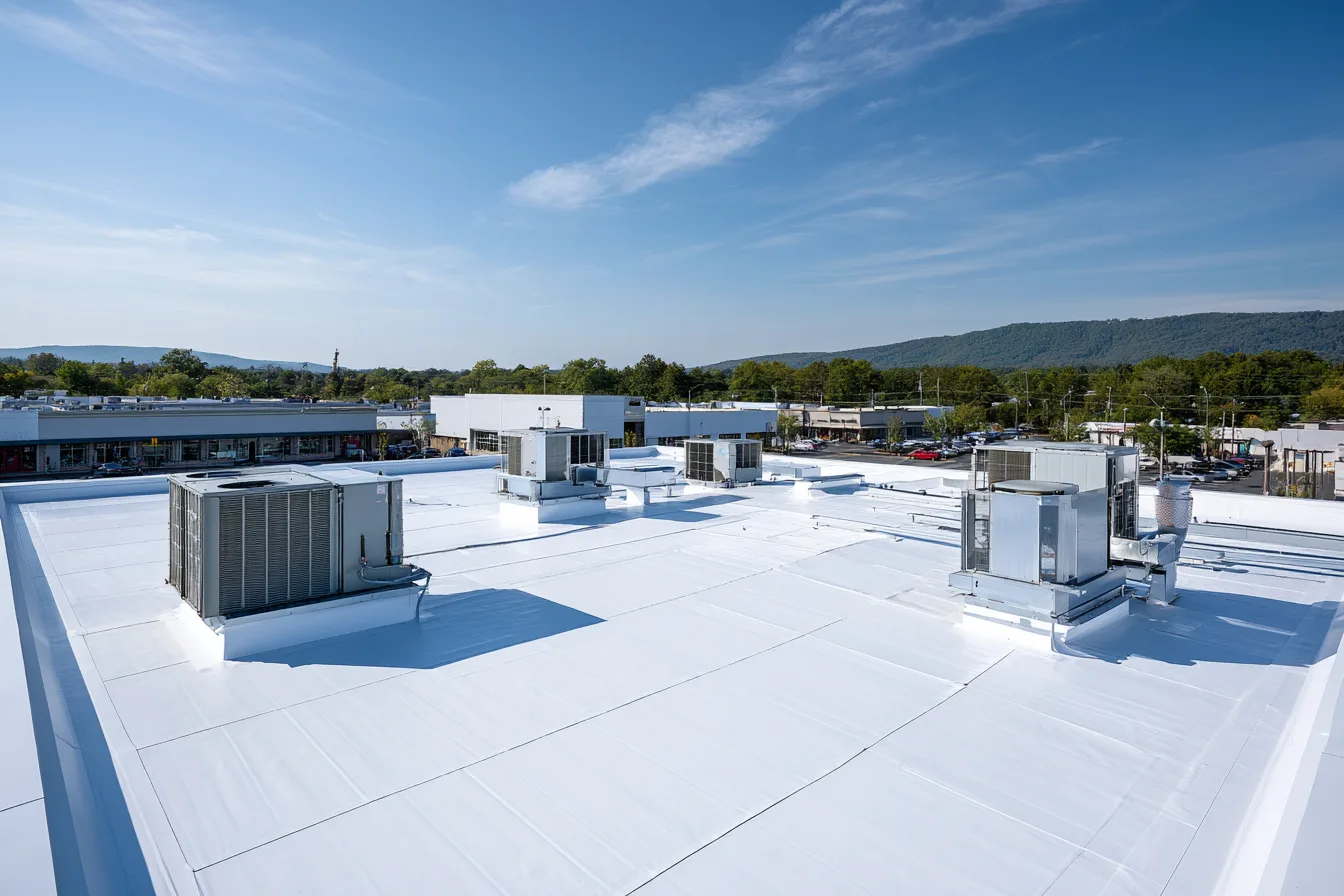
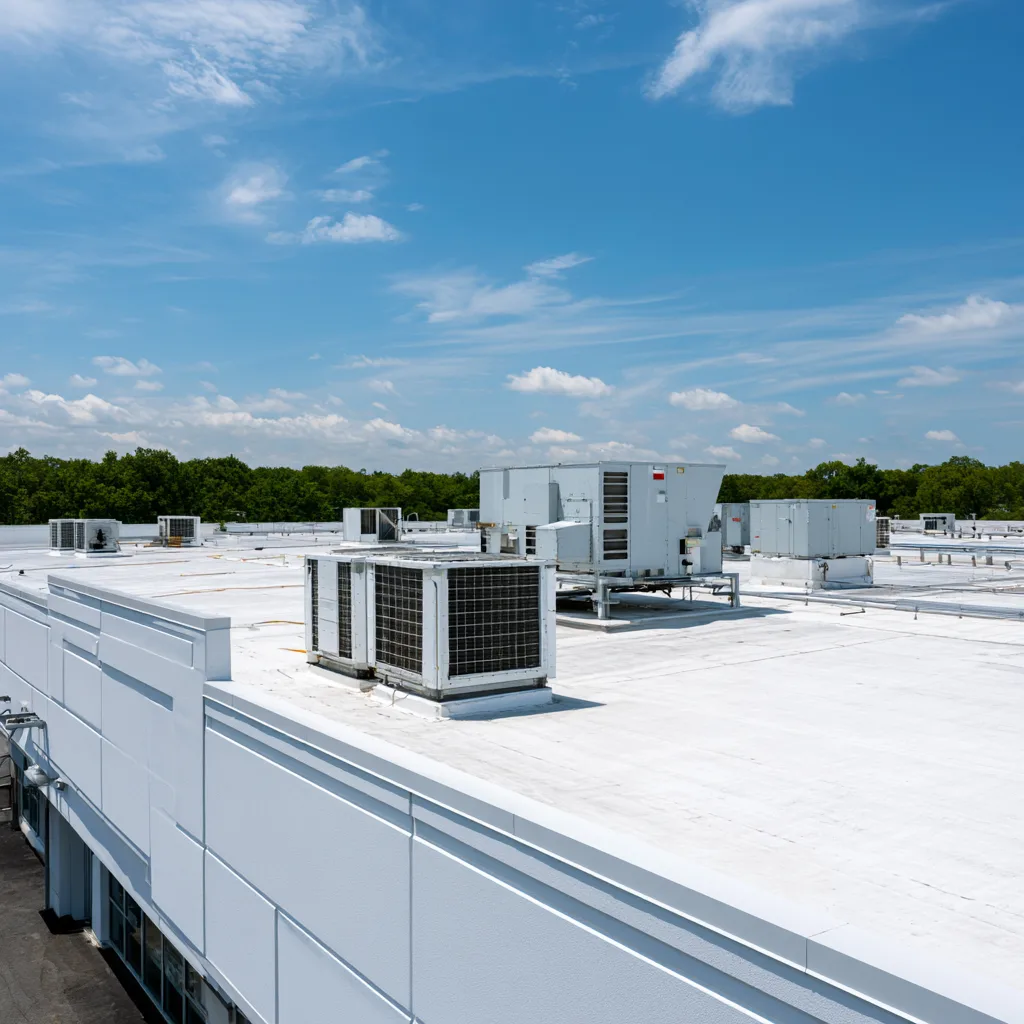
At a rooftop unit, the membrane turns up the curb that supports the equipment. Corners, penetrations and terminations need continuous waterproofing as well as secure attachment. A split or poorly connected detail can admit water even when the broad roof surface looks sound.
The inspection considers these details alongside service traffic. Walkway protection can help direct travel to equipment, while repair planning keeps drains and equipment access usable. If the insulation below a leak is wet, the surface patch alone does not complete the work.
Coatings need a sound, dry roof beneath them
Restoration is more than rolling a fresh layer across a leak. The roof has to be suitable for the coating system, and the problems below the new surface need to be dealt with first.
Check the existing layers
Moisture evaluation helps identify wet insulation and underlying deterioration. Damaged material needs removal and replacement; covering it with coating leaves that problem in the building.
Prepare the surface and details
Cleaning, suitable repairs and adhesion checks establish whether the coating can bond. Seams, curbs and penetrations need their own detail treatment rather than relying on field coating alone.
Match the product to the roof
Existing membrane type, movement, drainage and exposure affect the system choice. A coating does not reshape a low area or repair structural movement. Manufacturer requirements set the preparation and application for the selected system.
The GAF liquid-applied roofing manual explains why wet insulation and existing leaks must be addressed before coating. Guidance checked September 30, 2026.
Plan the roofing work around the building
- Entrances and deliveries
Material staging and disposal need to leave a workable route for people and scheduled deliveries. Let us know about tenant entrances, loading areas and restricted access at the start.
- Equipment above the roof
HVAC, plumbing and electrical work can intersect with the roofing scope. Disconnecting or moving equipment is a separate task that needs coordination with the appropriate trade.
- Work areas and weather
An occupied building needs a plan for which roof areas are opened and how they are protected. Job size, roof condition and forecast affect that sequence; uninterrupted operations cannot be assumed.
- The roof file
Existing system information, leak locations and repair history help future maintenance and replacement planning. Warranty terms determine who handles a covered issue and how later repairs affect that coverage.
Haltom City commercial roofing FAQs
Is standing water always a reason to replace a flat roof?
No. Debris at an outlet, a drainage detail or a low area can each hold water for different reasons. The inspection needs to establish the cause, the roof’s condition and the system requirements. A surface repair cannot correct structural deflection.
Can a coating go over a roof that has been leaking?
Only after the existing roof is qualified and the causes of leaks and wet layers are addressed. Widespread moisture or unsuitable attachment can make restoration a poor fit. The preparation work is part of the project, not an optional step.
What affects commercial roofing cost in Haltom City?
Roof area, existing layers, insulation condition, access and the number of drains, curbs and penetrations all affect the work. Replacement also needs a plan for disposal and keeping the building protected. A residential shingle calculator does not price a commercial membrane project.
When should an occupied building’s roof be checked?
A new leak, damaged material, water around equipment or a storm concern is a reason to arrange an inspection. Routine maintenance also gives attention to drains and roof details before the next problem interrupts the building. The appropriate schedule depends on the system and its warranty terms.